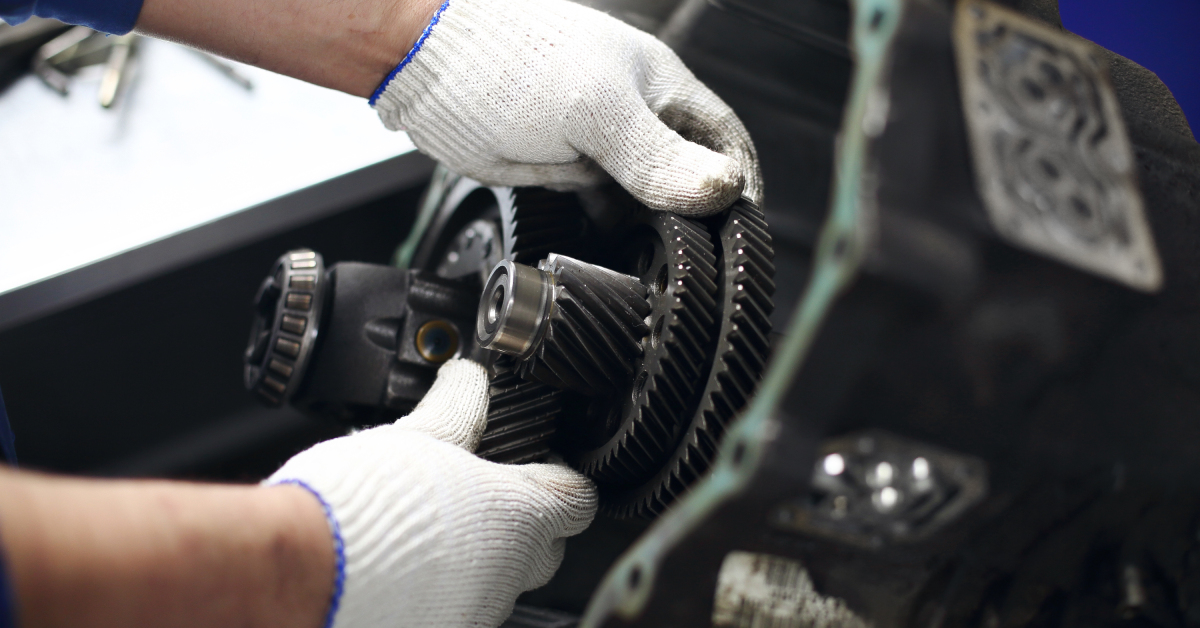
Your Nissan’s transmission is one of its most vital components, delivering smooth, reliable power to the wheels. When it begins to fail, your driving experience can shift—sometimes in ways so subtle you might miss them, and other times in ways you can’t ignore. A slipping gear, a rough shift, or an unusual noise might seem minor at first, but these could be early red flags of a deeper transmission issue.
In this guide, we’ll break down seven critical warning signs your Nissan’s transmission may need service. From slipping gears and delayed shifting to fluid leaks, overheating smells, and loss of power, we’ll explain what each symptom means, why it happens, and how it can impact models like the Sentra, Kicks, and Frontier. Along the way, we’ll highlight common causes of 2025 Nissan transmission problems, key Nissan gearbox repair indicators, and clear signals for when to service your Nissan’s transmission before the damage gets worse.
If you live in Van Nuys, Valley Glen, Studio City, or Burbank, recognizing these Nissan transmission service signs early can save you from costly repairs and keep your vehicle performing at its best. For expert diagnostics, skilled repairs, and genuine Nissan parts, visit or contact Nissan of Van Nuys today and explore our new selection of vehicles.
1. Slipping Gears While Driving
A slipping gear is one of the most serious Nissan transmission service signs you can face. It happens when your car changes gears without you shifting, or it struggles to stay in the right gear. You might also notice the engine rev higher than normal while the speed stays low. This issue is more than a small nuisance. Gear slipping can be dangerous, especially when merging, passing, or climbing hills. In some cases, it points to Nissan gearbox repair indicators that, if ignored, can turn into major 2025 Nissan transmission problems.
Common signs of slipping gears include:
- Sudden change in gear while driving
- Engine RPM increases but speed does not
- Delay before the car moves after you press the gas
- Shuddering or jerking when gears shift
These issues can happen in any model, whether you drive a Nissan Sentra, Kicks, or Frontier. Each uses complex transmission systems that rely on the right fluid levels, strong internal parts, and precise control. If you notice these warning signs of bad transmission Nissan owners often face, act fast. Driving with slipping gears can damage more parts and increase repair costs. The safest step is to know when to service Nissan transmission systems—ideally at the first sign of trouble. Early checks can prevent complete failure and keep your Nissan running smoothly.
2. Delay or Roughness When Shifting
A smooth shift from one gear to the next is what most drivers expect. When that shift becomes slow or rough, it can be one of the clearest Nissan transmission service signs. You may feel a pause before the gear engages, or hear a sharp “clunk” as it shifts. Both delayed and harsh shifts can cause strain on the transmission. They can also be early Nissan gearbox repair indicators that point to worn parts, low fluid, or control system faults. If ignored, these problems can lead to bigger 2025 Nissan transmission problems that are costly to fix.
Common signs include:
- A lag between pressing the gas and the gear change
- Jerking or lurching when the gear shifts
- Shifts that feel harder or rougher than normal
- Noticeable hesitation in stop-and-go traffic
These issues can appear in any model, including the Nissan Sentra, Kicks, and Frontier. Each relies on a well-tuned transmission to manage power and keep driving smooth. If you notice these warning signs of bad transmission Nissan drivers often report, the safest move is quick action. Knowing when to service Nissan transmission systems can help prevent a full breakdown. Early checks and repairs will keep your vehicle safe, reliable, and ready for the road.
3. Transmission Warning Light Is On
When your transmission warning light turns on, it’s a clear sign your Nissan needs attention. This light may be a small gear icon or show up as the standard “Check Engine” light. Either way, it’s one of the most important Nissan transmission service signs to watch for. The light can warn of many problems. Some are small and easy to fix, while others can turn into major 2025 Nissan transmission problems if ignored. Even if your car still drives, the system may be struggling to work as it should.
Common reasons a transmission warning light comes on:
- Low or dirty transmission fluid
- Overheating from heavy loads or traffic
- Sensor or electrical faults in the control system
- Wear or damage to belts, clutches, or gears
This alert can happen in any model, from the Nissan Sentra to the Kicks or Frontier. In each case, it may point to Nissan gearbox repair indicators that need quick action. If the light appears, treat it as a warning sign of bad transmission Nissan drivers should not ignore. The best move is to know when to service Nissan transmission systems—ideally right after the light comes on. A fast check can stop a small problem from becoming a costly repair and keep your car safe to drive.
4. Hearing Strange Noises from Your Nissan
Unusual sounds from your car can be more than a nuisance. They can be one of the clearest Nissan transmission service signs that something is wrong. These noises often appear when the car is in gear and may change with speed. Some sounds point to simple fixes, while others warn of serious 2025 Nissan transmission problems. Ignoring them can lead to higher repair costs or even complete transmission failure.
Common transmission-related noises include:
- Grinding: Often linked to worn gears or bearings
- Whining: Can signal low fluid or belt wear in CVT systems
- Clunking: May be from loose or damaged parts in the gearbox
- Humming: Could indicate internal wear or fluid issues
These noises can show up in any model, including the Nissan Sentra, Kicks, or Frontier. In many cases, they are Nissan gearbox repair indicators that need fast attention. If you hear these sounds, treat them as warning signs of bad transmission Nissan owners should not delay. Knowing when to service Nissan transmission systems is key. A quick inspection can stop the problem from getting worse and keep your Nissan driving smoothly.
5. Burning Smell While Driving
A strong, burnt odor while driving is never a good sign. If the smell seems to come from under the hood or near the wheels, it could be one of the most urgent Nissan transmission service signs. This smell often means the transmission fluid is overheating or breaking down. When fluid loses its protective qualities, parts inside the transmission can grind and overheat. This can quickly turn into costly 2025 Nissan transmission problems if not addressed.
Common causes of a burning smell from the transmission:
- Low or dirty transmission fluid
- Overheated fluid from stop-and-go traffic or towing
- Internal parts rubbing due to worn surfaces
- Leaks causing low fluid levels
This problem can occur in any model, including the Nissan Sentra, Kicks, and Frontier. In each case, the smell may be one of the clearest Nissan gearbox repair indicators. If you notice this odor, it’s a serious warning sign of bad transmission Nissan drivers should act on fast. The safest choice is knowing when to service Nissan transmission systems—ideally as soon as the smell appears. A prompt check can prevent further damage and keep your Nissan on the road.
6. Your Transmission Fluid Is Leaking
A transmission fluid leak is one of the most visible Nissan transmission service signs. Transmission fluid is usually bright red or pink and has a slightly sweet smell. If you see a puddle or spots under your car, it’s time to pay attention. Low fluid can lead to poor lubrication and overheating. This can cause serious 2025 Nissan transmission problems and expensive repairs. Even small leaks can be a sign of worn seals, damaged lines, or loose fittings.
How to spot a possible transmission fluid leak:
- Bright red or pink spots under the car after parking
- A sweet but burnt smell from the fluid
- Lower fluid levels when checked with the dipstick
- Sluggish gear changes or strange noises while driving
Leaks can happen in any model, from the Nissan Sentra to the Kicks or Frontier. In each case, they are often Nissan gearbox repair indicators that need fast action. If you notice a leak, it’s one of the clearest warning signs of bad transmission Nissan drivers should address quickly. The safest choice is knowing when to service Nissan transmission systems—before the leak leads to major damage. Early repairs can save you time, money, and stress.
7. Your Car Is Losing Power or Accelerating Poorly
If your Nissan feels weak when you press the gas, the problem could be in the transmission. In some cases, the engine will rev, but the car moves slower than it should. This is one of the most common Nissan transmission service signs and can point to slipping clutches or worn CVT parts. Poor acceleration may happen in any model—whether you drive a Sentra, a Kicks, or a Frontier. In each case, this can be one of the clearest warning signs of bad transmission Nissan owners face. Power loss means the transmission is not sending engine power to the wheels as it should.
Possible causes of slow acceleration:
- Low or old transmission fluid
- Worn CVT belt or pulleys
- Failing torque converter
- Internal gear damage
Ignoring these signs can lead to bigger 2025 Nissan transmission problems. Acting early can prevent a complete breakdown. Knowing when to service Nissan transmission systems is key. If you notice power loss, treat it as one of the major Nissan gearbox repair indicators. Have the system inspected before the issue gets worse.
Frequently Asked Questions About Nissan Transmission Service
What are the common signs of a failing Nissan transmission? – Common signs include slipping gears, delayed shifting, unusual noises, fluid leaks, a burning smell, warning lights, and poor acceleration.
Can delayed shifting indicate a transmission issue?
Yes. Delayed shifting often points to low fluid, worn parts, or other internal transmission problems.
How do unusual noises relate to transmission problems?
Whining, grinding, or clunking sounds can mean worn gears, failing bearings, or other internal damage in the transmission.
Does a burning smell mean I need immediate service?
Yes. A burning smell often means overheating fluid or worn parts and should be checked immediately to prevent serious damage.
How often should a Nissan transmission be inspected?
Nissan recommends checking the transmission during every routine service or at least once a year, even if no symptoms are present.
Keeping Your Nissan’s Transmisison in Top Shape
If you live in Van Nuys, Valley Glen, Studio City, or Burbank, our team is ready to help with your Nissan. Whether you drive a Sentra, Kicks, or Frontier, we can keep your vehicle running at its best. Our service center handles everything from routine checks to complex repairs, so you can drive with confidence.
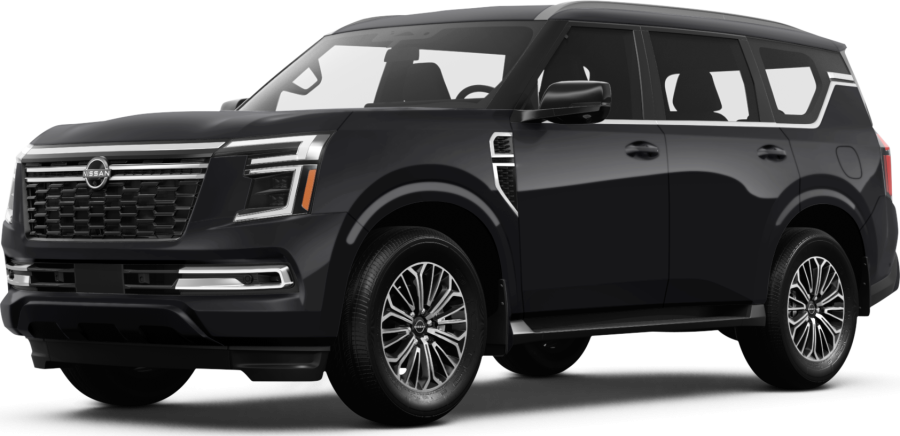
While you’re here, explore our full range of vehicles and find your next ride. We also have helpful guides, like how to change the cabin air filter on a Nissan to keep your car’s air clean. If you’re searching for your next family-friendly ride, check out our tips for finding the perfect family car in Van Nuys. And if weekend adventures are your style, you’ll enjoy our guide to the best camping and outdoor recreation areas for families near Van Nuys, CA or 2025 Nissan Armada.
When it’s time to upgrade or purchase, we can also help you finance your Nissan in Van Nuys with clear, simple options just contact us or visit Nissan of Van Nuys and keep exploring our site for more ways to make the most of your Nissan and your time on the road.
Get Directions to Nissan of Van Nuys
Disclaimer: All information is provided for general informational and entertainment purposes only. While we strive for accuracy, we cannot guarantee that all content is complete, current, or error-free. Any reliance you place on such information is strictly at your own risk. This article may include opinions and is not endorsed by, or officially affiliated with, any vehicle manufacturer or brand. Always consult official sources – such as the vehicle’s owner’s manual, authorized dealerships, or certified professionals – for the most up-to-date and personalized information.



 VIN: 1N4BL4BV1LC180288